
"pointed out that Nicaragua"
200 article(s) found

Flavor characteristics of litchi orchid coffee bean brandy barrel story of Moca Coffee Manor in Honduras
For more information on coffee beans, please follow the Coffee Workshop (official Wechat account cafe_style) Honduras is a mountainous country in Central America, located between the Pacific Ocean and the Caribbean, bordering Guatemala, El Salvador and Nicaragua. Belongs to the tropical climate, the annual average temperature is 23 ℃. With abundant rainfall throughout the year, it is an ideal environment for coffee growth. Domestic and 28

Baking suggestions for describing the Flavor characteristics of single Bean, Coffee Bean in Latin America
Professional baristas exchange please pay attention to the coffee workshop (Wechat official account cafe_style) Panama (Panama) aroma 3.5 minutes brightness 4.5 minutes mellow 3.5 minutes flavor 4.5 minutes aftertaste 4.5 minutes suitable for roasting: Light/Medial/City shallow roasting to medium roasting, shallow to the end of an explosion; the deepest do not enter the second explosion, otherwise it will damage its brightness clean quality, complexity will also be reduced. Coffee

Nicaraguan coffee producing area Java coffee beans lemon tree manor javanica coffee beans brewing flavor
Professional coffee knowledge exchange more coffee bean information Please follow the coffee workshop (Wechat official account cafe_style) Lemon Tree owner Irwin's father accidentally saved the once endangered Java coffee variety in a charity, so what happened in the middle? In this article, let's talk about the story between lemon tree manor and Java coffee varieties. Front Street Coffee Lemon
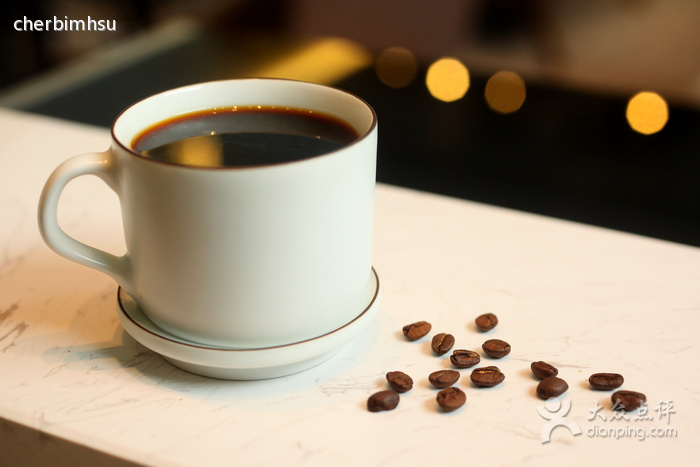
Mellow and sweet three have the characteristics of Latin American coffee varieties, taste, manor boutique coffee and bean flavor.
Latin America (Latin America) in 1721 French naval officer de Klee (Gabriel Mathieu de Clieu) experienced difficulties and obstacles to bring the first coffee sapling from Africa to the Latin American island of Martinique, which was the origin of coffee cultivation in Latin America. Because at that time, France was under the reign of the Bourbon dynasty, and Elaraby was grown in Latin America.

A brief introduction to the planting treatment of characteristic flavor and taste of Latin American coffee beans
Peru (Peru) aroma 3 bright 4.5 mellow 3 flavor 4 aftertaste 4 points suitable for baking degree: Full city/Espresso/Dark medium and deep roasting is the most suitable for Peruvian coffee beans, too shallow to show flavor and sweetness. Peruvian coffee is not common in the world before, and it is generally believed that its handling process is hasty, so the evaluation is poor, because it was previously monopolized by the state.

Variety characteristics of mellow and sweet Latin American coffee introduction to the flavor of fine coffee beans in the manor
Latin America (Latin America) in 1721 French naval officer de Klee (Gabriel Mathieu de Clieu) experienced difficulties and obstacles to bring the first coffee sapling from Africa to the Latin American island of Martinique, which was the origin of coffee cultivation in Latin America. Because at that time, France was under the reign of the Bourbon dynasty, and Elaraby was grown in Latin America.

It is often said that what is the COE Cup? what is the focus of the cup test?
CoE is currently the most important coffee evaluation competition. ACE, a non-profit organization, holds CoE competitions for single coffee producing countries (Brazil / Colombia / Bolivia / Guatemala / El Salvador / Nicaragua / Honduras / Costa Rica / Luanda and other 9 countries) to select winning coffee farms through cup tests at five checkpoints. Many coffee farmers who do not have the money to market or do not know how to package use CoE

Taste characteristics of mellow and sweet Latin American coffee varieties introduction to the flavor of fine coffee beans in the manor
Latin America (Latin America) in 1721 French naval officer de Klee (Gabriel Mathieu de Clieu) experienced difficulties and obstacles to bring the first coffee sapling from Africa to the Latin American island of Martinique, which was the origin of coffee cultivation in Latin America. Because at that time, France was under the reign of the Bourbon dynasty, and Elaraby was grown in Latin America.

Taste characteristics of Latin American coffee varieties with mellow and sweet taste introduction to the flavor of fine coffee beans in the manor
Latin America (Latin America) in 1721 French naval officer de Klee (Gabriel Mathieu de Clieu) experienced difficulties and obstacles to bring the first coffee sapling from Africa to the Latin American island of Martinique, which was the origin of coffee cultivation in Latin America. Because at that time, France was under the reign of the Bourbon dynasty, and Elaraby was grown in Latin America.

Latin American coffee history, Latin American coffee aroma, brightness and taste
Following Cafe (official Wechat account vdailycom) found that Beautiful Caf é opened a small shop of its own. In the 17th century, the cultivation and production of coffee was monopolized by Arabs. It was valuable in Europe, and only senior European people could drink coffee. Until 1690, a Dutch captain sailed to Yemen, got some coffee seedlings, and began in Dutch India (present-day Indonesia).

Nicaraguan Coffee Industry introduces Fine Coffee Matagalpa Central Central America
Now that Nicaragua is facing a crisis in the coffee industry, most coffee farmers reflect on the shortcomings of the original mode of production. "sometimes the crisis can divide the hearts of the people, but sometimes it can also unite the hearts of the people," he said. Many Nicaraguan coffee farmers find that they can survive if they join cooperatives, organic certification schemes, or fair trade associations. "Bacon and
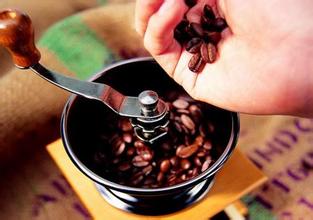
Boutique Coffee beans: history and details of Coffee beans in Latin America
The cultivation and production of coffee in the 17th century has always been monopolized by Arabs and is of great value in Europe. Only the upper echelons of Europe can drink coffee. Until 1690, a Dutch captain sailed to Yemen, got some coffee seedlings and began to plant successfully in Dutch India (present-day Indonesia). In 1727, the wife of a diplomat in Dutch Guiana gave some coffee seeds to her.

A brief introduction to the cultivation of sweet and mellow Latin American boutique coffee beans, geographical location, climate and altitude
Costa Rica (Costa Rica) aroma 3.5 minutes brightness 4.5 minutes mellow 3 minutes flavor 4.5 minutes aftertaste 4.5 minutes suitable for baking degree: Light/Medial/City wants to show Costa Rican perfectly balanced flavor, then absolutely not deep baking, it is recommended that City degree, even the first explosion can be the end of the beans, when the aroma and flavor will be both, close to the second explosion is the deepest baking
A brief introduction to the Market Price of Latin American Fine Coffee Bean varieties with thick sweetness
El Salvador (El Salvador) aroma 4 minutes brightness 4.5 minutes mellow 3 points flavor 4.5 points aftertaste 4.5 points suitable for baking degree: if City/Full city city has a preference for heavy flavor, you can bake it a little deeper. Most people think of El Salvador as a place with frequent wars, but it is true that years of civil war have made El Salvador's coffee beans

A brief introduction to the History and Culture of the Origin and Development of High-quality Latin American Coffee beans
El Salvador (El Salvador) aroma 4 minutes brightness 4.5 minutes mellow 3 points flavor 4.5 points aftertaste 4.5 points suitable for baking degree: if City/Full city city has a preference for heavy flavor, you can bake it a little deeper. Most people think of El Salvador as a place with frequent wars, but it is true that years of civil war have made El Salvador's coffee beans

A brief introduction to the Market Price of Latin American Fine Coffee Bean varieties with thick Flavor
Guatemala (Guatemala) aroma 3.5 minutes brightness 4.5 minutes mellow 3.5 minutes flavor 4.5 minutes aftertaste 4.5 points suitable for baking: Light/Medial/City shallow roasting, city degree can best show the characteristics of Guatemalan coffee, too deep will reduce the fruit flavor, if you like the smoky flavor, you can bake close to the second explosion, but still do not enter the second explosion as the principle. Because of beauty

A brief introduction to the description of flavor, taste and aroma characteristics of Latin American boutique coffee beans with thick sweet taste
El Salvador (El Salvador) aroma 4 minutes brightness 4.5 minutes mellow 3 points flavor 4.5 points aftertaste 4.5 points suitable for baking degree: if City/Full city city has a preference for heavy flavor, you can bake it a little deeper. Most people think of El Salvador as a place with frequent wars, but it is true that years of civil war have made El Salvador's coffee beans

What's the difference between BOP auction, COE extraordinary Cup and Red bid auction?
BOP, what is the best Panama BOP auction? As the first raw bean event in the world, the emergence of BOP can also be regarded as a game against the Panamanian boutique coffee industry at that time, and successfully opened up a blue ocean of quality for Panama through this game, where the annual auction price of beans is hundreds of dollars. 1995, Panama

A brief introduction to the treatment method of grinding degree and baking degree of sweet and mellow Latin American boutique coffee beans
Columbia (Colombian) aroma 3.5 minutes brightness 4.5 minutes mellow 3.5 minutes flavor 4.5 minutes aftertaste 4.5 points suitable for roasting: Medial/City/Full city/Espresso/Dark/French Columbia beans are one of the few coffee beans that range from shallow roasting to very deep roasting, ranging from light roasting to deep roasting sweetness, in such a wide range.

A brief introduction to the cultivation of Latin American boutique coffee beans with excellent balanced performance, geographical location, climate and altitude
South American countries have switched to altitude classification, and only Colombia maintains this traditional classification system, which many Colombian coffee makers have recognized and have begun to demand a change in the classification system. Colombia's famous producing areas include Medellin, Armenia and Manisales, so the word MAM is sometimes seen on coffee bags.